
A family farm transition to the next generation doesn’t start with having all the answers. It starts with asking the right questions. I’m Heidi Olson, and on the Pathfinder Legacy podcast I help farmers, ranchers, and business owners create a seamless transition plan for what they’ve built, so you can pass it on the way you want to instead of leaving it to chance.
This first episode is my Legacy Bell Kickoff: a starting point for anyone thinking about passing on the family business. Here’s who I am, why this work matters to me, and what it really takes to move a family farm forward without causing family turmoil.
The short version:
- Planning isn’t letting go. It’s stepping up to protect everything you’ve worked for.
- Without a plan, your legacy is left to chance, and you don’t want the state deciding where your assets go.
- You don’t have to have all the answers. You just have to ask the right questions.
- Every family has friction. The goal is to move the conversation forward without blowing up Thanksgiving dinner.
Listen to this episode: Ep. 1 – Meet Heidi
Meet Heidi Olson: From Banking and Estate Work to the Farm Gate
I spent 30 years in banking and 22 years in trust and estate management before I left my corporate life. I made that change to help farm and business owners face one of the hardest and most important transitions they’ll ever make. I’ve seen the good, the bad, and, well, we won’t talk about the rest.
I didn’t come to this from the outside. I grew up on my family’s commercial Angus cattle operation in western North Dakota, on a farm my great-grandparents homesteaded from Germany. It’s been in our family for over 100 years. Growing up, it was all hands on deck to help with the herd, along with 4-H and plenty of farm life tomfoolery. I was somehow the one appointed to help butcher chickens while my brothers went to help in the hayfields. Not my favorite chore. And what did we have for supper? Chicken.
What Family Farm Transition to the Next Generation Really Means
My mission is simple: to turn uncertainty into action and hesitation into a plan. At the end of the day, it’s not just dirt and deeds. It’s your legacy.
I live this on both sides. After I married my husband, we moved to his family farm to begin our own legacy, and we’re raising our two daughters as the fifth generation on the farm his great-grandparents homesteaded from Norway. We raise pulse crops and cereal grains. As a farmer I’ve seen hailstorms, drought, and bumper crops, and market highs and market lows. Between our two families, I’ve seen those same highs and lows in family dynamics and succession planning.
Why Owners Struggle to Start: The Weight of Legacy Meets the Fear of Change
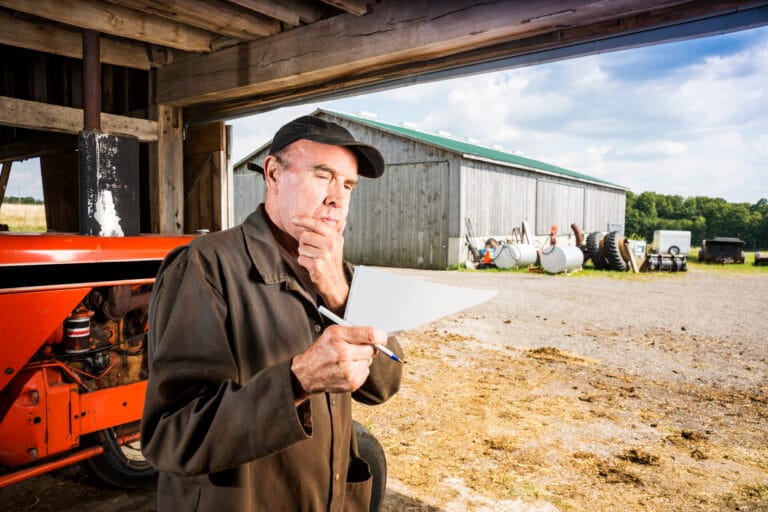
Here’s the classic friction point I see: getting founders to commit to the process. The weight of legacy meets the fear of change, and owners struggle to start.
In this first series, we talk about what legacy really means, why owners struggle to begin, and what it takes to move the conversation forward without causing family turmoil. I still want to have Thanksgiving dinner with my family at the same table, and I’m guessing you do too.
Get the tools to start your family’s transition plan
My free resource library has the guides, checklists, and worksheets to turn these conversations into a concrete plan. They’re free — I just ask for your name and email.
Planning Isn’t Letting Go, It’s Stepping Up
Planning for the future of your farm and business doesn’t mean stepping away. It means stepping up to protect everything you’ve worked for. Planning isn’t letting go; it’s making sure what you’ve worked so hard to build continues to succeed and grow.
Building Bridges Between Generations and Avoiding Family Conflict
Life is messy, and no two families are the same. There was a time I thought only my family’s dynamics were unique. Then I worked in the trust department and learned quickly: every family, no matter the size, has skeletons hiding in their closet.
I’ve been in client family meetings so heated the mom couldn’t sit still, though that might have had something to do with her getting up to change the thermostat, because it was getting hot in there. This is where my knowledge and experience go to work: building bridges between generations with clear thinking and the necessary tools. You don’t just solve problems. You anticipate them, the way you anticipate the weather, and turn them into action plans that keep the family farm thriving.
Don’t Leave Your Legacy to Chance: The Right Questions and the Right Tools
Without a plan, your legacy is left to chance. You don’t want to leave that chance in the hands of your state and let them decide where your assets go.
With the right tools in your toolbox, you can:
- Have a smooth transition
- Avoid family conflict
- Give your successor the ability to succeed
You don’t have to have all the answers. You just have to ask the right questions. So let’s talk about where you are, what you want, and how to get there, on your timeline and with your values at the center.
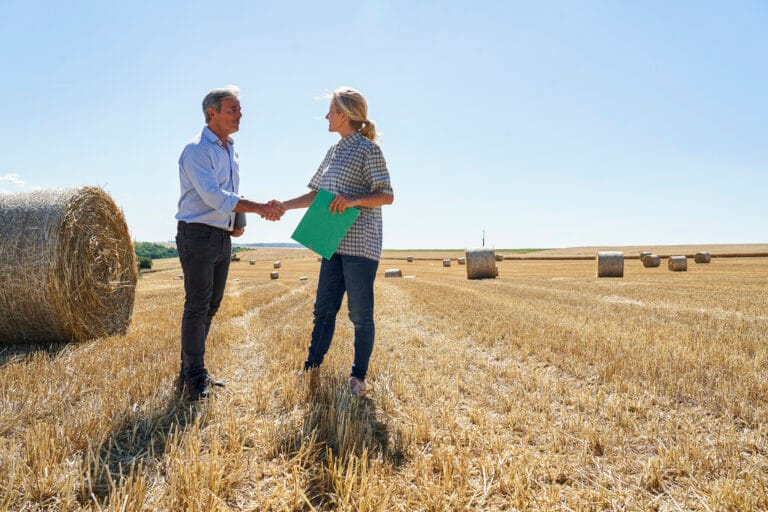
Whether you’re the one passing the torch or picking it up, you’re in the right place. You’ve built something worth passing on. Let’s make sure it happens the way you want it to, turning transitions into triumphs, one plan at a time. Subscribe, follow along, and visit pathfinderlegacy.com to start building your transition plan today.
Ready to talk through your farm’s transition?
Book a free discovery call with me and take the first real step toward protecting your legacy, on your timeline and with your values at the center.
Frequently Asked Questions
What does legacy really mean for a family farm?
For me, it’s not just dirt and deeds. It’s your legacy: everything you’ve worked so hard to build, and whether it continues to succeed and grow for the next generation. In this first series I dig into what legacy really means and why it’s worth protecting on purpose instead of leaving it to chance.
Why do farm owners struggle to start a transition plan?
The classic friction point is getting founders to commit to the process. The weight of legacy meets the fear of change, so owners hesitate to begin. Part of my work is moving that conversation forward without causing family turmoil, so you can still have Thanksgiving dinner at the same table.
What happens to your farm if you don’t have a transition plan?
Without a plan, your legacy is left to chance. You don’t want to leave that chance in the hands of your state and let them decide where your assets go. Planning isn’t stepping away; it’s stepping up to protect everything you’ve worked for.
How do you transition a family farm without causing family conflict?
Every family has skeletons in the closet, and no two families are the same. I build bridges between generations with clear thinking and the necessary tools, anticipating problems the way you anticipate the weather and turning them into action plans. With the right tools you can have a smooth transition, avoid family conflict, and give your successor the ability to succeed.